

The Newark Summit - A Forum on the Economic Growth of Newark and Lessons Learned
On Monday, February 10th, Newark hosted its third annual Newark Summit — a dynamic showcase of the investment, development, placemaking, collaboration, and design shaping the city’s future. The event highlighted Newark’s ongoing transformation through the perspectives of the public and private partners driving its momentum.
The Summit convened an impressive cross-section of leaders from the real estate and land use communities, offering attendees firsthand insight into the projects, policies, and initiatives actively reshaping Newark’s urban fabric and strengthening its position as a premier destination for growth and opportunity.
The event was hosted at 550 Broad Street, in the heart of the City — a building whose recent modernization and capital improvements have elevated it into a premier Class A office destination, now home to an impressive roster of tenants.
The Summit spanned two full floors of the building, with panel sessions held on the 16th floor and exhibitors featured on the 17th floor. The expansive layouts on both levels created a dynamic atmosphere and provided ample networking opportunities for approximately 1,250 attendees.
The morning session, “Arts, Spaces, Culture and Catalyst,” brought together a dynamic panel of artists, placemakers, and development collaborators who are leveraging art as a driver of urban growth, investment attraction, and project identity. The discussion highlighted how creative expression is not an accessory to development, but a central component of Newark’s evolution.
Panelists showcased transformative initiatives such as the 4 Corners Public Arts project and the Harriet Tubman monument and public art installation honoring the legacy of Harriet Tubman. These projects exemplify how public art can anchor civic pride, activate public spaces, and create meaningful cultural destinations within the city.
The conversation emphasized that Newark is, at its core, a city of artists. City leaders and private developers alike are increasingly working to connect this vibrant creative community with ongoing investment and residential growth — fostering a powerful synergy between cultural authenticity and new development. As described by the panel, artists serve as the physical and cultural conduits of Newark, translating place into experience. Integrating art into development not only enhances the built environment but also creates economic opportunity and sustainable revenue streams for the creative community.
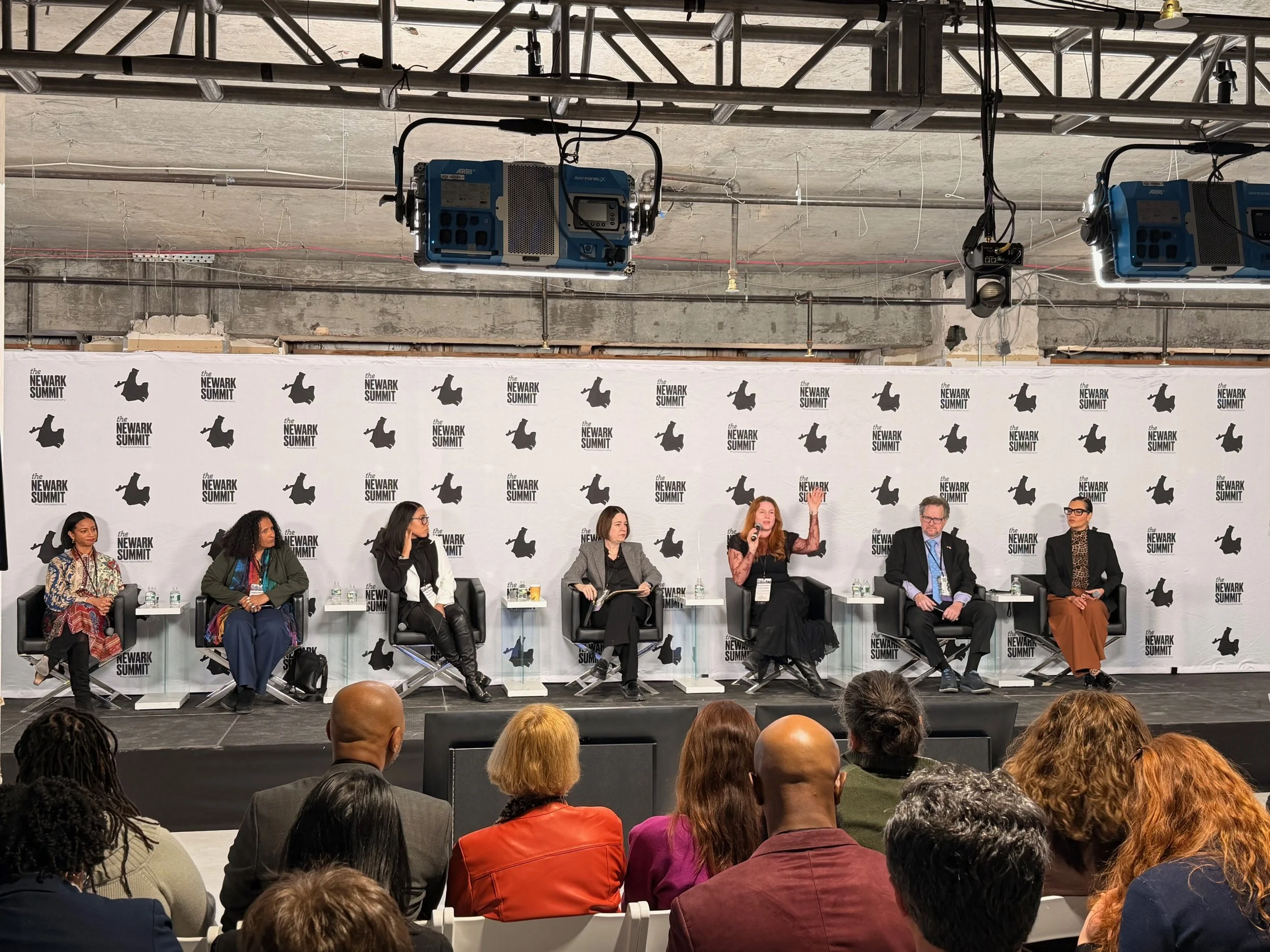
The next session, “Mixed-Use Retail and Placemaking,” explored the evolving role of mixed-use development as a cornerstone of Newark’s economic vitality and urban energy. Panelists discussed how thoughtfully designed mixed-use projects create destination experiences that extend beyond traditional retail, shaping neighborhoods and attracting sustained investment.
The conversation highlighted successful examples such as Method Climbing Gym in Downtown Newark, a new indoor rock-climbing facility that draws visitors not only from within the city but from across the region. Projects like Method demonstrate how experiential retail can serve as a powerful anchor, generating foot traffic and supporting surrounding businesses
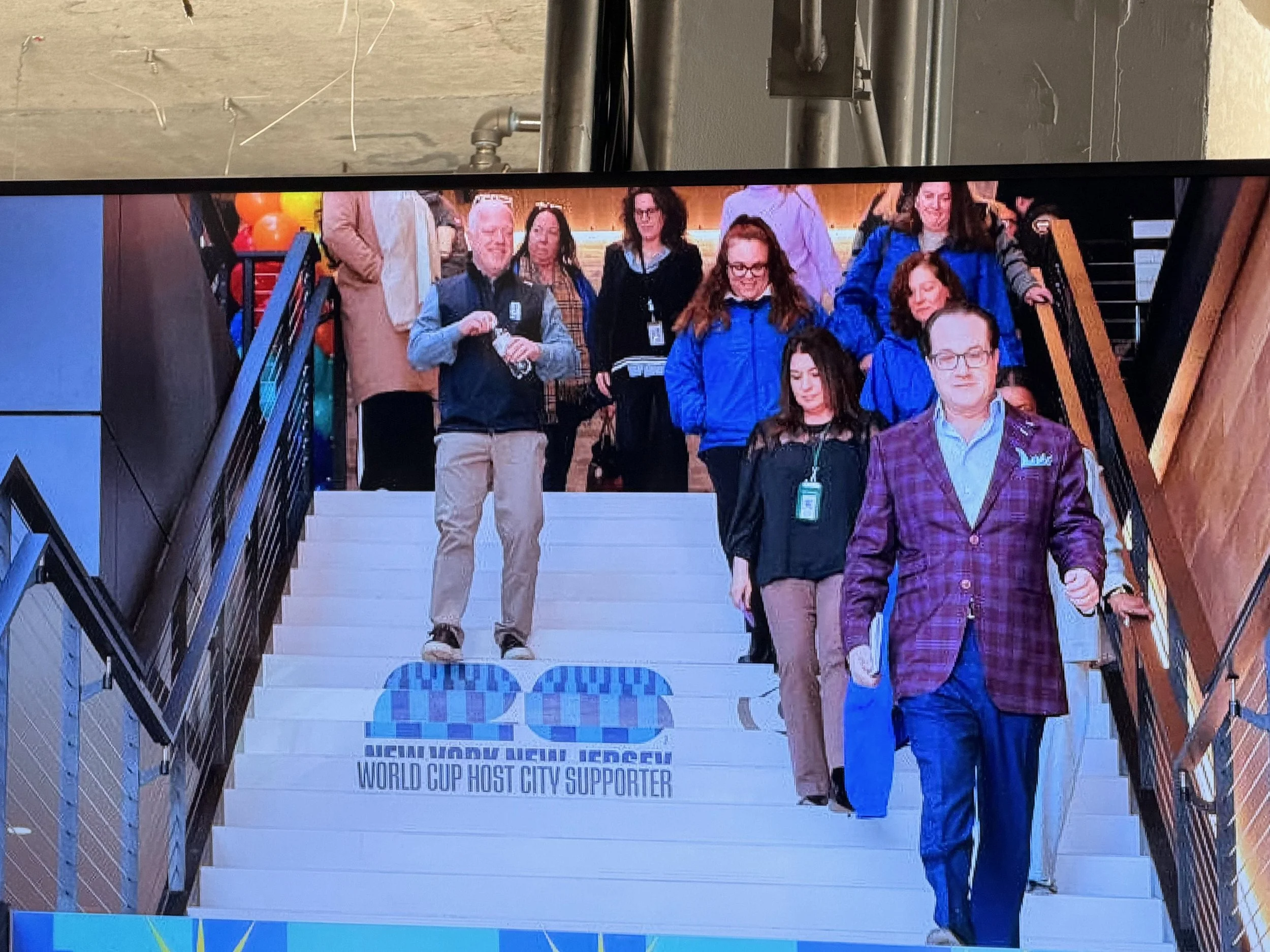
Panelists emphasized that the most successful mixed-use developments are those that seamlessly integrate residential, retail, and community-oriented spaces. By creating a synergy between where people live, work, and gather, these projects diversify amenities, activate both indoor and outdoor spaces, and cultivate a distinct neighborhood identity.
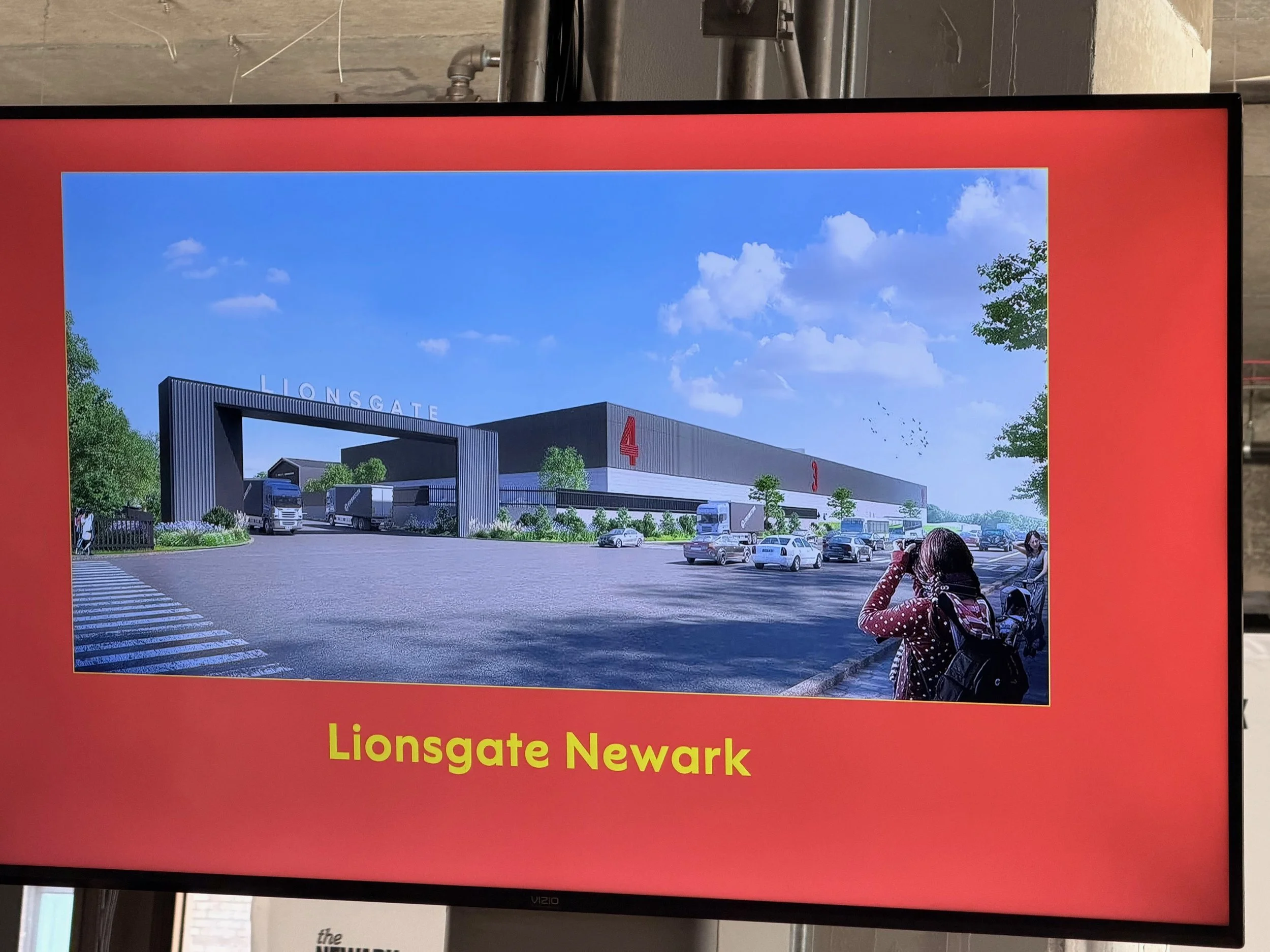
While the focus was on mixed-use development, the central theme remained people and community. The panel underscored that vibrant placemaking is ultimately about fostering connection and building environments where residents and visitors alike feel engaged. Successful examples such as Gateway Newark were discussed, along with transformative projects in the pipeline, including the Lionsgate Newark film studio, which is poised to further elevate Newark’s position as a cultural and economic hub.
The next session, “Office and Innovation,” examined the evolving office market and the growing divide between Class A and Class B properties. Panelists candidly addressed the challenges facing older Class B office buildings and the strategic decisions owners must now confront in a shifting market.
The discussion centered on whether to reinvest in aging assets with the goal of elevating them to competitive Class A space, or to determine when reinvestment is no longer viable and demolition and ground-up redevelopment become the more practical solution. Factors such as location, building configuration, infrastructure capacity, and even block-by-block dynamics were identified as critical in evaluating these decisions.
Panelists also noted that while office-to-residential conversions have gained attention nationally, they are not universally feasible and the pace of such conversions has begun to slow. Structural constraints, floor plate depth, and financial feasibility often limit these projects.
In repositioning office buildings to attract tenants, the conversation emphasized the importance of curating meaningful amenities — not simply adding features, but investing in amenities that tenants will actively use. Owners must strike a careful balance between quality of workspace and quality of life to remain competitive in attracting and retaining tenants.
The session concluded by highlighting emerging opportunities in retrofitting office space for laboratory and technology uses. As innovation-driven industries expand, lab and tech environments represent sectors where in-person collaboration and specialized infrastructure are essential — reinforcing the continued relevance of well-located, thoughtfully modernized office assets.
The Newark Summit served as a dynamic platform highlighting the investment, development, placemaking, arts, growth, and talent that define Newark’s continued evolution. Beyond showcasing projects and progress, the event fostered meaningful dialogue and connections among leaders in the real estate and land use industries — strengthening partnerships that will help shape not only Newark’s future, but the broader trajectory of development across New Jersey.