

Insights from the New Jersey Affordable Housing Conference Hosted by Bisnow
August 9, 2026
Crafted by Gabe Bailer, PP, AICP
New Jersey’s affordable housing regulations are complex, shaped by decades of legislation and litigation stemming from the landmark Mount Laurel decisions. Opinions on the State’s affordable housing framework vary widely. Supporters argue that the regulations are necessary to address New Jersey’s significant need for affordable housing, while critics contend that they can provide developers with leverage to pursue higher-density projects under the threat of affordable housing litigation.
With the latest chapter of New Jersey’s Fourth Round affordable housing process largely behind us—or, perhaps more accurately, as behind us as affordable housing ever gets—and municipalities increasingly experiencing affordable housing fatigue, it seemed like an opportune time for some of the State’s leading thinkers to come together and discuss…you guessed it: affordable housing in New Jersey.
On August 5th, I boarded the 7:44 a.m. train from Cranford, New Jersey, bound for Newark Penn Station. From there, I hopped on the PATH to Exchange Place in Jersey City and made my way to the Hyatt House, with its impressive views of the Manhattan skyline. My destination was Bisnow’s New Jersey Affordable Housing Conference, entitled Policy, Capital & Design: Building and Preserving Mixed-Income and Workforce Housing in the Garden State.
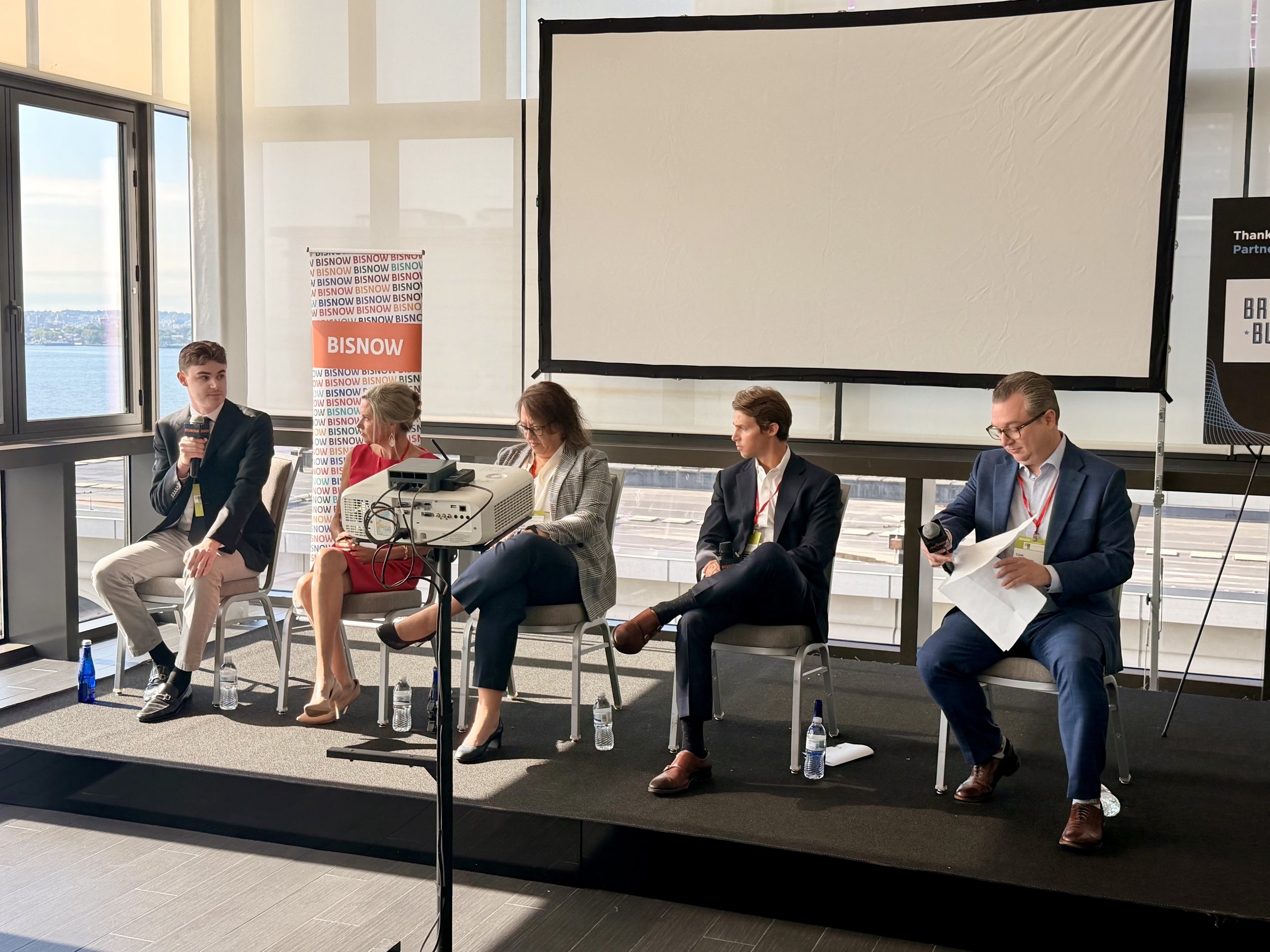
The first session, Policy, Zoning, Growth and Impacts of Development, focused on Fourth Round compliance, rezoning, and the new development sites emerging across New Jersey. The panel featured Rich Martoglio of RPM Development, Colleen Drewes of the K Group, Lara Schwager of LJS Development, and James Barnett of Restrepo and Associates, with Tom Trautner of Chiesa Shahinian & Giantomasi serving as moderator.
Much of the discussion centered on the aftermath of the Fourth Round affordable housing deadlines and a simple question: what comes next for municipalities and developers?
One recurring theme was that municipalities are experiencing a degree of “affordable housing fatigue” following the strenuous Fourth Round planning and compliance process. With many municipalities having adopted their Housing Elements and Fair Share Plans and received certifications from the courts, the process has entered something of a waiting period. Developers, however, are not necessarily waiting. They continue to look for opportunities, particularly where sites identified in municipal affordable housing plans may prove difficult to develop or where anticipated projects are not moving forward as expected.
Although municipalities now have affordable housing plans in place, discussions with prospective developers continue in some communities as the realities of implementing those plans become clearer. A site that works on paper does not always translate into a financially feasible development. As a result, the next several years may become more of a “wait and see” period, with implementation taking center stage before municipalities approach the Fourth Round midpoint review process.
Another significant issue raised during the discussion was the disconnect between the State’s affordable housing requirements and the financing available to actually produce affordable units. While New Jersey continues to push for increased affordable housing production, available funding has not necessarily kept pace with the demand. This challenge is particularly evident for affordable homeownership units, where funding programs and financing opportunities remain more limited than those available for affordable rental housing.
The affordable housing developers on the panel also emphasized that successfully moving a project from approval to construction requires a collaborative relationship between the municipality and the developer. These partnerships became increasingly important during the Fourth Round planning process and will become even more critical as municipalities move from planning to implementation.
Financing tools such as the Low-Income Housing Tax Credit (LIHTC) program often require municipal participation and support, making coordination between municipalities and developers essential. This need for cooperation has also encouraged greater collaboration among affordable housing developers, particularly on 100% affordable housing projects where assembling the necessary financing, approvals, and public support can require multiple partners working toward the same goal.
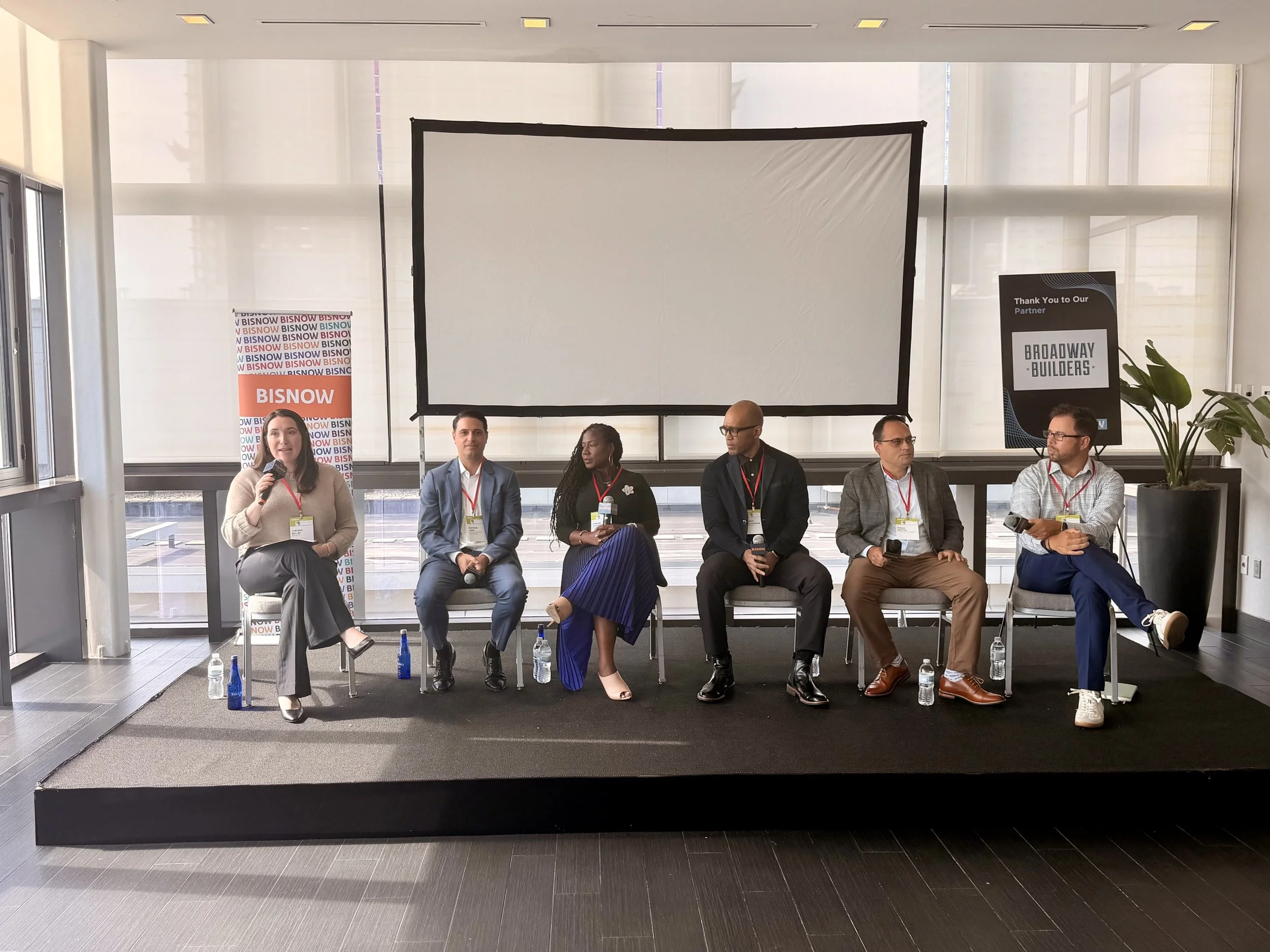
The second session, Affordable Housing Design, Construction and Preservation Strategies, shifted the conversation from policy to the construction, maintenance, design, and long-term operation of affordable housing. The discussion focused on balancing resident outcomes, project feasibility, and long-term community impact. The panel featured Matthew Linde of People Restoring Communities, Marco Williamson of Fairstead, Diogo Santos of Russo Development, Simone Gagneron of New Community, and Jason Chmura of KSS Architects, with Chelsea Bellay of Bozzuto Construction Company serving as moderator.
One of the central themes of the session was that the best affordable housing projects emerge when all voices have a seat at the table. Developers, architects, contractors, municipalities, community organizations, and residents each bring a different perspective on what affordable housing should provide for a community. Bringing those perspectives together early in the process can result in a stronger, more cohesive project that responds not only to housing needs, but also to the character and needs of the surrounding community.
The panel also discussed the perceptions that sometimes surround affordable housing and the people who live in affordable units, particularly within inclusionary developments. Those perceptions often begin to change when residents interact with their neighbors and realize that the people living in affordable units are not fundamentally different from anyone else. They are individuals and families who work, raise children, participate in their communities, and simply need access to housing they can afford. In many cases, that interaction leads to a straightforward realization: they are just like me.
Of course, designing and constructing affordable housing is anything but straightforward. Construction costs, interest rates, financing, materials, and other expenses are constantly changing, often requiring projects to evolve throughout the development process. The panel emphasized the importance of bringing a general contractor into the process early. An experienced contractor can provide a realistic understanding of construction costs and, equally important, how those costs affect the overall financing and feasibility of a development. Good design must ultimately be balanced with what can actually be built and financed.
Perhaps the most compelling part of the discussion centered on how to define a successful affordable housing project. Success is not simply measured by the number of units constructed or whether a project is completed on time and on budget. Panelists spoke about residents who lived in their affordable housing communities for years, were able to save money, and eventually purchased a home or moved into a market-rate unit. In those cases, affordable housing served as a foundation for greater financial stability and opportunity.
Success can also be measured by what the development contributes to the larger community. The strongest affordable housing projects can evolve beyond simply providing housing and become an exercise in placemaking—creating a place where people want to live, interact, and become part of the surrounding neighborhood. When that happens, affordable housing is no longer viewed simply as a development project; it becomes part of the fabric of the community.
The final session of the day, Funding Affordable Housing Projects: LIHTC, Federal Programs and Emerging Capital Sources, turned the conversation to perhaps one of the most critical—and complicated—components of affordable housing development: how these projects actually get financed.
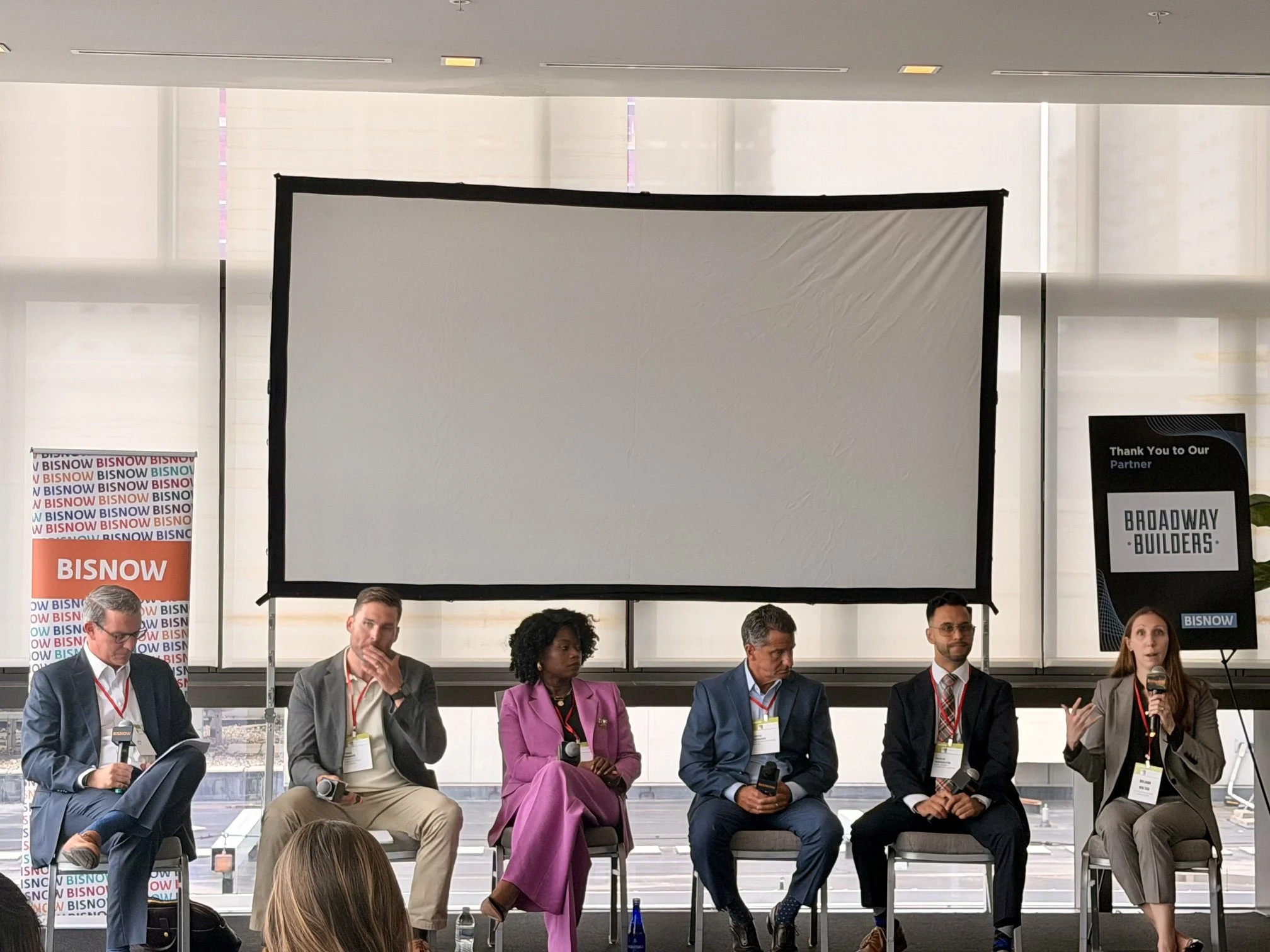
The session focused on what the “capital stack” looks like for affordable housing projects getting done in today’s financial environment and the various public and private funding sources needed to move a project from concept to construction. The panel included Melanie Walters of the New Jersey Housing and Mortgage Finance Agency, Bisola Taiwo of the Newark Housing Authority, Varun Agnihotri of New Jersey Community Capital, John Fraer of Community Preservation Partners, David Bonom of Churchill Stateside Group, and Craig Gianetti of Day Pitney.
The session began with a blunt but important reality: we can talk about all the benefits of affordable housing, but without the funding, none of it gets built.
With the significant number of affordable housing projects moving forward across New Jersey, competition for limited funding sources—particularly Low-Income Housing Tax Credits (LIHTC)—has become increasingly intense. As a result, assembling the financing necessary to make a project feasible often requires more funding sources, more partners, and greater creativity to fill the inevitable gaps in the capital stack.
The panel emphasized that securing affordable housing financing is rarely a simple process. Developers must rally their resources and build partnerships among public agencies, municipalities, lenders, investors, nonprofit organizations, and other stakeholders to successfully move a project from approval to construction. In many cases, no single funding source is enough, making the ability to assemble and coordinate multiple sources of capital critical to a project's success.
Despite these challenges, the panel offered a sense of optimism. Funding opportunities are available through existing programs, although demand often exceeds the resources available. Looking ahead, there is hope that additional federal and State funding programs and resources will emerge to help close financing gaps and better match the growing need—and mandate—for affordable housing production throughout New Jersey.
The conference brought together developers, planners, attorneys, nonprofit organizations, municipal officials, and other industry partners to discuss the important and interconnected roles they each play in providing affordable housing throughout New Jersey. From policy and planning to design, construction, financing, and implementation, the discussions highlighted both the complexity of affordable housing development and the collaboration necessary to make it a reality. As New Jersey moves from Fourth Round planning into implementation, the conference offered a timely look at the challenges, opportunities, and partnerships that will shape the future of affordable housing in the Garden State.